How to Drape a Patient for Orthopedic Surgery Correctly?

Time:2026-05-22 Author:Aria
0%

In orthopedic surgery, properly draping a patient is crucial for ensuring patient safety and comfort. According to recent industry reports, improper draping techniques can increase the risk of surgical site infections by up to 30%. This highlights the significance of understanding how to drape a patient for orthopedic surgery correctly.

Dr. Jane Thompson, an expert in surgical techniques, emphasizes, "The way we drape patients sets the tone for the entire surgical experience." Her insight sheds light on the importance of preparation and technique during the surgical process. Each surgical procedure demands a tailored approach to draping, as it must adapt to the patient's particular anatomy and the specific orthopedic procedure being performed.

Reflecting on past experiences, many surgical teams acknowledge missteps in patient draping. These moments serve as opportunities for learning and improvement. Ensuring sterile fields and maintaining patient dignity should always be paramount. Incorrect draping can lead to complications that extend surgical time or worsen recovery. Thus, perfecting the art of draping remains an essential skill in orthopedic surgery.
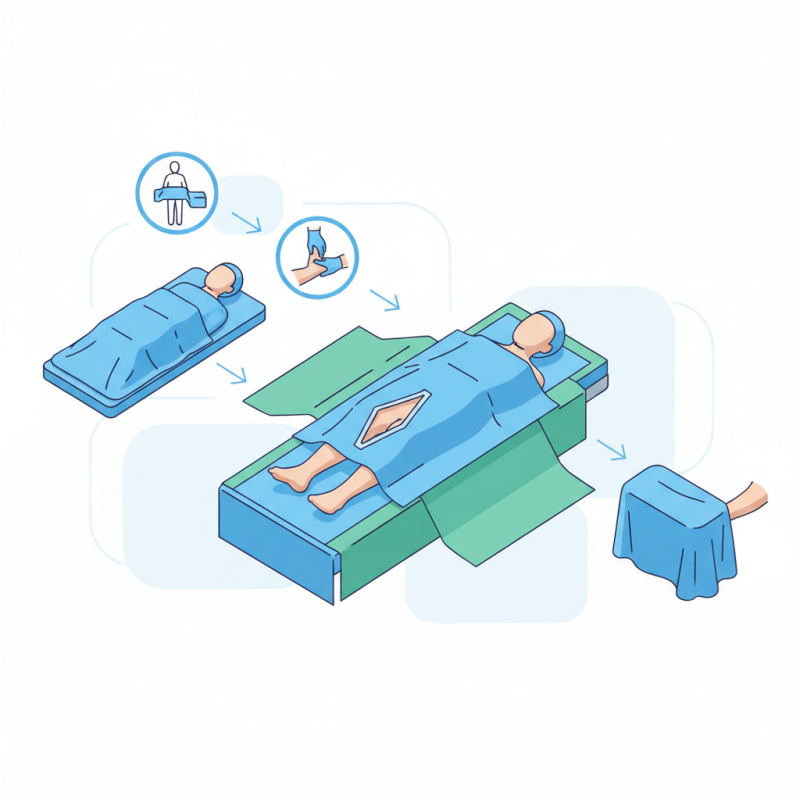
How to Drape a Patient for Orthopedic Surgery Correctly?

Understanding the Importance of Drape Techniques in Orthopedic Surgery

Draping a patient correctly for orthopedic surgery is vital in maintaining sterile conditions. The orthopedic surgical environment is complex, and proper drape techniques help in reducing infection rates and improving surgical outcomes. According to the CDC, surgical site infections (SSIs) can occur in up to 3% of all surgeries, making it essential to implement strict sterile protocols.

In orthopedic procedures, the draping process should cover both the surgical site and surrounding areas. This is crucial as bacteria can be introduced through open surfaces. A study published in the Journal of Bone and Joint Surgery noted that improper draping techniques contributed to an increase in postoperative infections by 50%. Therefore, a focused approach to draping can significantly enhance patient safety.

Tips: Always use multiple layers of sterile drapes. Ensure that the drapes do not touch any non-sterile surfaces. Regularly check for gaps in coverage. Failure to do so could compromise the sterile field.

Attention to detail is key. Analyze previous surgeries to learn what worked and what didn’t. Engage with team members to share insights on draping methods. Creating a checklist before the procedure can help ensure that every step is followed precisely, minimizing the chances of error.

Selecting Appropriate Draping Materials for Orthopedic Procedures

When preparing for orthopedic procedures, selecting appropriate draping materials is crucial. The materials must provide a sterile barrier. Common choices include cotton, polyester, and non-woven fabrics. Understanding their properties is essential. Cotton offers breathability, but it may be less effective against moisture. Non-woven fabrics can provide excellent barrier properties and reduce contamination risks.

The choice of draping material also depends on the specific procedure. For joint surgeries, thicker drapes can help protect the site. However, they might hinder visibility. It’s essential to strike a balance between protection and accessibility. Medical teams often need to adapt draping techniques based on the patient's anatomy and surgical plan.

Reflection on past procedures can improve draping techniques. Some might find that certain materials didn’t hold up as expected. Regular discussions among surgical teams can highlight these challenges. This collaboration fosters an environment of continuous improvement. Every detail matters in the operating room. Effective draping is not just about covering the patient. It’s about ensuring safety and efficiency throughout the procedure.

Step-by-Step Guide to Positioning the Patient for Surgery

Positioning a patient for orthopedic surgery requires careful attention to detail. Proper draping not only ensures patient comfort but also maintains the sterile field. Begin by assessing the patient's condition and the planned surgical site. This understanding helps in deciding how to position them safely. Consider using a secure transfer method to move the patient onto the operating table. The table should be adjusted to a level that minimizes strain on staff.

Once positioned, ensure that all limbs are well supported. Utilize pillows or padded supports to prevent pressure points. Remember to check the patient's alignment; this can affect access to the surgical area. Avoid tight drapes that may limit circulation. An important note is to communicate with your team about any potential risks during the draping process.

Despite thorough preparation, unexpected challenges can arise. A drape may shift during the procedure, necessitating adjustments. Maintain vigilance and be ready to react. Effective teamwork can help ease these situations, ensuring the patient's safety and surgical success. Prioritize continuous learning from each experience to enhance your skills in patient positioning.

Best Practices for Sterilization and Drape Application

Draping a patient for orthopedic surgery requires meticulous attention to sterilization and drape application. Sterility is crucial to prevent infections. Start by ensuring all surgical instruments and materials are properly sterilized. Use sterile drapes that are specifically designed for orthopedic procedures. This includes a large drape for the operative site and smaller drapes to cover surrounding areas.

Position the patient correctly on the operating table before draping. This step often gets overlooked, yet it’s vital for accessibility and visibility. Once the patient is in place, unfold the large drape, ensuring it does not touch any non-sterile surfaces. Secure it in place without compromising sterility. Remember to address common pitfalls, such as allowing the drape to touch the floor. It’s a mistake that can lead to contamination.

Apply smaller drapes to isolate the surgical site. Pay attention to the corners; they must adhere properly to maintain a sterile field. Use adhesive drapes if available, as they provide better adherence and sealing. Regularly check the drapes throughout the procedure. Even minor lapses in sterility can jeopardize patient safety. Reflect on your draping technique after the surgery. Continuous improvement in these practices can enhance outcomes and minimize risks.

How to Drape a Patient for Orthopedic Surgery Correctly? - Best Practices for Sterilization and Drape Application

Practice Step Description Importance
Pre-operative Assessment Evaluate patient’s health and surgical area. Ensures readiness for surgical procedure.
Skin Preparation Clean the surgical site to reduce infection risk. Crucial for achieving sterility.
Drape Application Carefully apply drapes in a sterile manner. Prevents contamination of the sterile field.
Final Sterility Check Inspect drapes and instruments for sterility. Ensures a safe surgical environment.
Monitoring During Surgery Continuously check sterility and draping throughout procedure. Critical for maintaining sterile conditions.

Common Mistakes to Avoid When Draping for Orthopedic Surgery

When draping a patient for orthopedic surgery, attention to detail is crucial. Many teams overlook the importance of ensuring complete coverage. Studies show that up to 30% of surgical site infections are linked to improper draping techniques. This statistic emphasizes the need for meticulous practices.

A common mistake is using inadequate draping materials. This can lead to gaps, increasing the risk of contamination. For instance, some practitioners fail to secure sheets properly, leaving skin exposed. This negligence can compromise the sterile field, exposing patients to infection. Furthermore, draping should consider the specific procedure. Different surgeries require different approaches. Generic draping often results in errors that could be easily avoided.

Another frequent oversight involves the adjustment of drapes during the procedure. Unintentional movement can create openings. These gaps allow bacteria to enter the surgical site. It's essential for the surgical team to communicate effectively. They should ensure the drapes remain secure throughout the procedure. Reflecting on these issues can lead to improved practices and better patient outcomes. Proper draping techniques are vital in reducing infection risks and enhancing surgical safety.

FAQS

: Why is proper patient positioning important for surgery?

: Proper positioning ensures patient comfort and maintains a sterile field during the procedure.

How should I position the patient before draping?

Assess the patient's condition and adjust the table height to minimize strain on staff.

What should I use to support limbs during surgery?

Utilize pillows or padded supports to prevent pressure points and ensure comfort.

What are common mistakes to avoid during draping?

Avoid using inadequate draping materials that leave skin exposed, compromising sterility.

How can I maintain sterility while draping?

Ensure drapes do not touch non-sterile surfaces or the floor to prevent contamination.

What should I do if a drape shifts during surgery?

Stay vigilant and be prepared to adjust drapes without compromising the sterile field.

Why is continuous learning important in patient positioning?

Reflecting on past experiences helps enhance skills and improve patient safety and outcomes.

How can I ensure proper coverage while draping?

Focus on complete coverage; even small gaps can increase the risk of contamination.

What types of drapes should be used for orthopedic surgery?

Use large drapes for the surgical site and smaller ones for surrounding areas for better isolation.

How often should I check the drapes during the procedure?

Regular checks are essential, as even minor lapses in sterility can jeopardize patient safety.

Conclusion

Draping a patient for orthopedic surgery correctly is crucial for ensuring a sterile environment and optimizing surgical outcomes. Understanding the importance of draping techniques helps prevent infections and complications during procedures. Selecting appropriate draping materials tailored to each specific orthopedic procedure is essential. Additionally, a step-by-step guide to positioning the patient adequately lays the foundation for a successful surgery.

Incorporating best practices for sterilization and proper drape application is vital. Common mistakes, such as improper placement or inadequate coverage, must be avoided to maintain a sterile field. By following these guidelines, healthcare professionals can enhance their skills in how to drape a patient for orthopedic surgery correctly, ultimately leading to safer and more effective surgical interventions.

Aria

Aria

Aria is a dedicated marketing professional with a deep passion for innovative strategies and a keen understanding of our company's product offerings. With a wealth of experience in the industry, Aria excels at crafting engaging content that highlights the unique features and benefits of our......